Between History and Public Theology
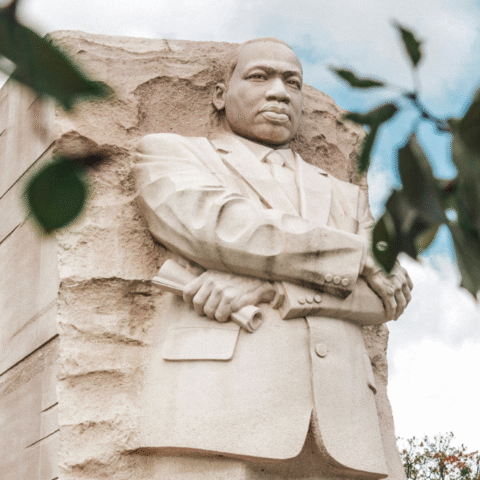
Who Is the Prophet of Our Time?: The Public Theology Praxis of Martin Luther King Jr. and Billy Graham is undoubtedly a landmark work of Chinese-language public theology.
Who Is the Prophet of Our Time?: The Public Theology Praxis of Martin Luther King Jr. and Billy Graham is undoubtedly a landmark work of Chinese-language public theology.

Hope flows out of this story. Shaped by solid historical information, filled with testimonies and accounts, with a story line that tells a gripping story, the conclusion is hope.

This book will undoubtedly become one of the top textbook choices for Chinese mission training and courses.

My most important rebuttal is that Yeo’s review has misunderstood my main goal. Rather than offering a Pentecostal reading of Chinese Christianity, I employ what I call ‘Pentecost historiography.

Feng’s work has given us a firm and crucial reminder that the Holy Spirit has always been at work throughout the world, from the time of common grace until his public outpouring in Acts 2.

Chinese Christian Witness is a heartening collection of reflections which cannot—but help—drive onward the movement of God’s Chinese children in response to his command to make him known.

Keeping a record is not about accumulating more, but about digesting and sorting through. Only when we attempt to rearticulate the insights of others do they truly become nourishment for our own thinking.

James Morrison will take you on a journey to both prove and explore the depth of the purity concept in Tibetan Buddhism.

The utilization of diverse resources is needed if we are to effectively and robustly train Chinese missionaries and churches to be an invaluable contributory force to Christian mission.

The volume’s case studies mirror many of the challenges Chinese cross-cultural workers and churches face today. The book covers not only culture-specific pressures on the field but also how national churches and agencies responded—or did not respond—to missionary stresses.

2084 and the AI Revolution is not simply a book about the dangers of technology, but a profound exploration of what it means to be human in a world that increasingly seeks to forget.

Chambon’s reflections begin with an important question: How do Chinese Christians navigate their faith within a context shaped by deep ancestral traditions, material symbolism, and political restrictions?